
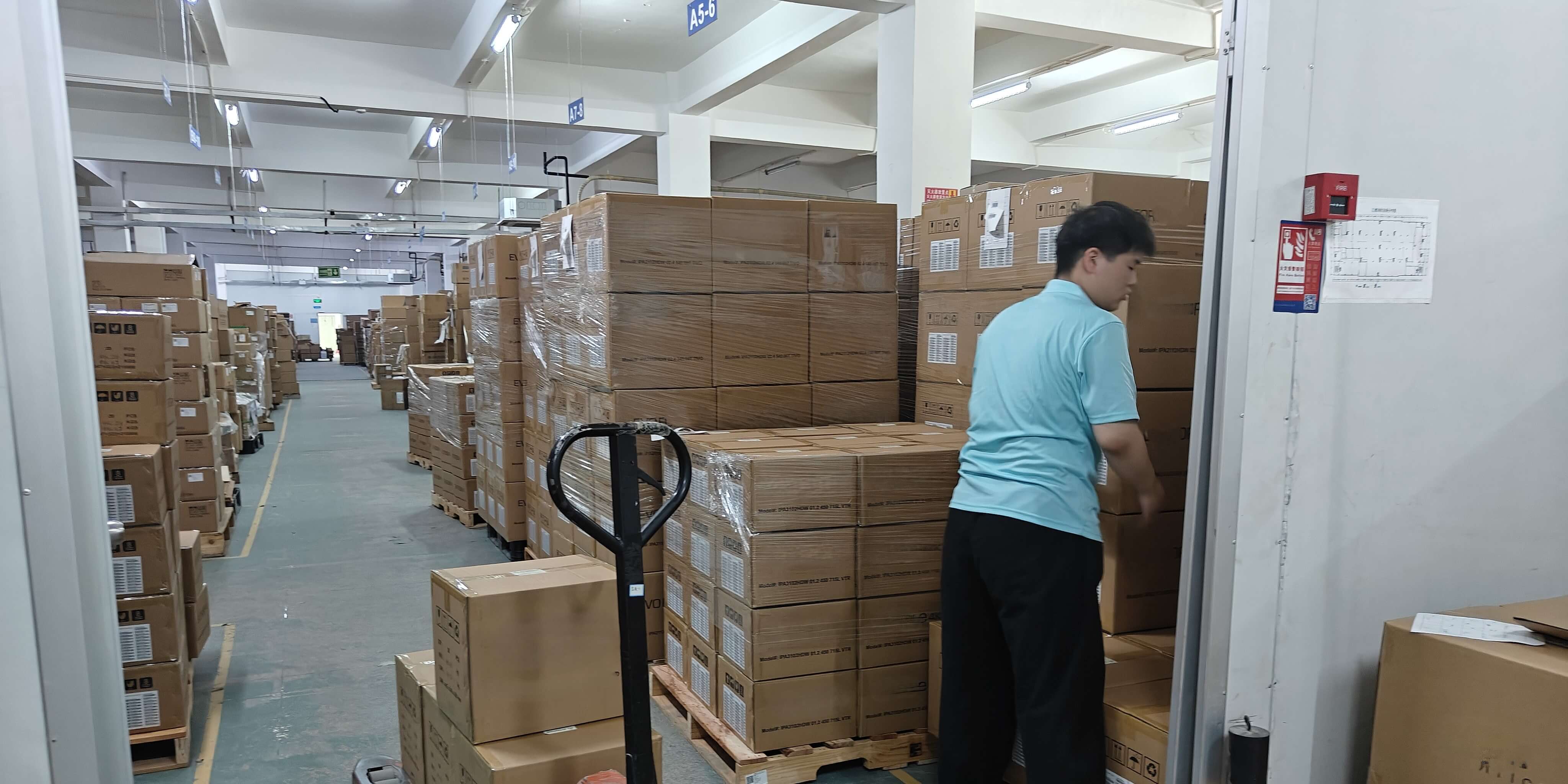
EXW, FOB, DAP, and DDP can produce very different landed costs even when the PCB Assembly (PCBA) manufacturing price is identical. The chosen Incoterms® 2020 rule changes where delivery and risk transfer occur, who arranges carriage, who handles export or import formalities, and which charges sit outside the supplier’s quoted price.
At Venture Electronics, our practical view is that buyers should compare two layers separately: the controlled manufacturing baseline and the logistics responsibility map. This article is a purchasing framework, not legal, customs, tax, or freight advice. The contract should name the exact place or port, state “Incoterms® 2020,” and be checked against the shipment mode and destination-country requirements.
Start with one comparable manufacturing baseline
A shipping term cannot make two different manufacturing quotations comparable. Before reviewing freight responsibility, confirm that each quotation uses the same PCB files, approved BOM, quantity, batch plan, assembly scope, test requirements, fixture or programming work, packaging specification, currency, and validity period.
When Venture Electronics evaluates a PCB Assembly project, component sourcing, BOM review, assembly, inspection, project-specific testing, packaging, and delivery coordination are discussed according to the released files and agreed scope. Turnkey PCBA is a delivery model within PCB Assembly; it does not automatically mean that import duty, international freight, destination tax, or every logistics service is included.
What the four terms change
The four terms change where delivery is completed, when risk transfers, and which party handles transport and import tasks. Read each rule together with its named place or port.
EXW. Delivery and risk: the goods are made available at the named seller location. Responsibility: the buyer normally arranges loading, export and import formalities, and transport from that point. Buyer check: can the buyer or its forwarder legally and practically manage pickup and export?
FOB. Delivery and risk: the goods are delivered on board the vessel at the named port of shipment. Responsibility: the seller handles export and delivery on board, while the buyer arranges the main sea carriage and import. Buyer check: is the shipment genuinely suitable for sea or inland-waterway movement under FOB?
DAP. Delivery and risk: the goods are placed at the buyer’s disposal at the named destination, ready for unloading. Responsibility: the seller arranges transport to the destination, while the buyer normally handles import clearance and duties. Buyer check: who will act as importer of record, and which destination charges remain?
DDP. Delivery and risk: the goods are placed at the buyer’s disposal at the named destination, ready for unloading. Responsibility: the seller assumes export, transport, and import-clearance responsibilities, subject to local feasibility. Buyer check: can the seller legally act and account for import taxes in that country?
This comparison is a decision aid, not a substitute for the full ICC rules. The exact named place matters. “DAP Toronto” is less precise than a complete agreed delivery address, and “FOB China” does not identify the port where delivery and risk transfer are intended to occur.
EXW: a short quotation can leave a long buyer task list
Under EXW, the seller makes the goods available at the agreed place, typically its premises. The buyer takes on transport risk and cost from that point and normally manages loading, export clearance, main carriage, import clearance, and final delivery. ICC guidance notes that EXW is primarily suited to domestic trade and may create practical difficulties when an overseas buyer cannot perform export formalities in the seller’s country.
For a PCBA buyer, the visible supplier price may therefore exclude pickup, export documentation support, origin handling, consolidation, main freight, insurance decisions, destination clearance, duty, tax, and local delivery. Before using EXW, confirm who can collect the shipment, who appears on export records, and which party pays if the pickup or documentation plan changes.
FOB: confirm the transport mode before comparing the number
FOB is reserved for sea or inland-waterway transport. Delivery and risk transfer occur when the goods are on board the vessel at the named port of shipment. ICC’s own selection guidance distinguishes FOB from containerized or multimodal movements, for which FCA may be more appropriate depending on how the cargo is handed to the carrier.
Many electronics shipments move by courier, air, consolidated container, or another multimodal route. That does not mean a buyer must never see FOB in a quotation; it means the wording should be checked with the forwarder and contract adviser instead of being treated as a generic synonym for “freight not included.” Venture Electronics does not apply one trade-term choice to every destination or shipment mode.
DAP and DDP: the destination can match while import responsibility changes
DAP and DDP both place delivery and risk transfer at the named destination, with the goods ready for unloading. Under DAP, the seller arranges carriage to that point, while the buyer handles import clearance and associated import duties or taxes. Under DDP, the seller also takes responsibility for import formalities and related charges, subject to the destination country’s rules.
The important limitation is feasibility. ICC guidance warns that a foreign seller may be unable, or may face significant difficulty, acting as the importer or meeting local tax requirements in some countries. “Door to door” is therefore not the same as “no additional buyer action or cost.” Unloading, storage, remote-area fees, inspection, brokerage adjustments, or tax treatment still need explicit confirmation.
Build a true landed-cost worksheet
Use the same product, quantity, destination, packaging, and target shipment date for every comparison. Then separate the cost into these lines:
- PCB, components, assembly, project-specific testing, fixture or programming, and agreed packaging.
- Pickup, origin handling, export clearance, documentation, and consolidation.
- Main carriage, insurance choice, fuel or security surcharges, and peak-season adjustments.
- Destination terminal or courier charges, customs brokerage, inspection, storage, and demurrage risk.
- Import duty, tax, importer-of-record cost, and any recoverable versus non-recoverable tax treatment.
- Final delivery, unloading responsibility, remote-area charges, and receiving requirements.
- Schedule buffer for document approval, customs processing, and destination handoff.
Do not fill this worksheet with a universal tax rate or a fixed freight assumption. Rates, routes, surcharges, customs treatment, and shipment timing can change. Venture Electronics can clarify the manufacturing and agreed delivery scope at the quotation date; the buyer, forwarder, customs broker, and tax adviser should confirm the destination obligations that fall within their authority.
What to include in a comparable RFQ
- Gerber or ODB++, BOM, CPL or pick-and-place file, and assembly drawings.
- Quantity, batch plan, requested delivery window, currency, and quotation validity needs.
- Test plan, fixture or programming requirements, and buyer acceptance criteria.
- Product, inner-carton, and outer-carton packaging or label requirements.
- Complete destination address, expected transport mode, and preferred Incoterms® 2020 rule.
- Importer-of-record arrangement, customs-broker contact, and required commercial documents.
With these inputs, Venture Electronics can return a clearer quotation boundary: what is included in manufacturing, what delivery coordination is being discussed, which information is missing, and which external destination charges still require confirmation.
Frequently asked questions
Is DDP necessarily the simplest option for a PCB Assembly buyer?
No. DDP moves more responsibility to the seller, but it may be impractical where the seller cannot complete import or tax formalities. Simplicity depends on the named destination, importer arrangement, shipment mode, and local rules.
Does FOB include international sea freight?
Normally, the buyer arranges and pays the main carriage after the seller delivers the goods on board at the named port. The contract and freight quotation should still identify origin and destination charges clearly.
Can a Turnkey PCBA quotation be treated as a landed-cost quotation?
Not automatically. Turnkey PCBA describes an integrated PCB Assembly delivery model. Freight, duty, tax, customs, and destination services are included only when the quotation and agreed trade term state that scope.
Compare responsibility before comparing price
The lowest visible quotation is not necessarily the lowest landed cost. A useful comparison keeps the manufacturing baseline constant, names the delivery point precisely, assigns each logistics and customs responsibility, and records the charges that remain estimates.
Venture Electronics supports international buyers as a PCB Assembly and EMS partner in China. Share the project files, quantity, testing and packaging requirements, destination, transport mode, and proposed trade term. Venture Electronics can clarify the project quotation and delivery boundary, while the appropriate logistics, customs, legal, and tax specialists confirm the obligations outside that manufacturing scope.
Sources
International Chamber of Commerce, Incoterms® 2020 official overview; ICC, Incoterms® 2020 Checklist and Flowcharts; ICC Academy, EXW or DDP? and C and D rules guide. Accessed August 3, 2026.